Wedding Ceremony Clipart: 31 Designs for Your Projects
You’re designing a wedding invitation, a thank you card, or maybe a social media graphic for a client’s big day. You have the layout, the color palette, and the perfect script font for the names. But you need that one extra visual element—a delicate floral wreath, a pair of intertwined rings, a simple veil silhouette—to tie the whole composition together and evoke that specific romantic, elegant feeling. This is where a versatile set of wedding ceremony clipart becomes an indispensable part of your design toolkit, saving you hours of searching or the cost of commissioning custom illustrations.
More Than Just Decorations: The Strategic Use of Clip Art
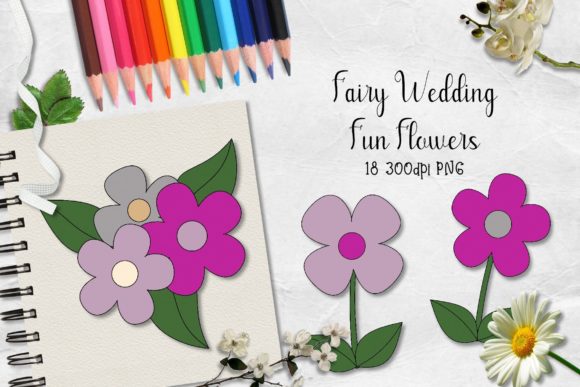
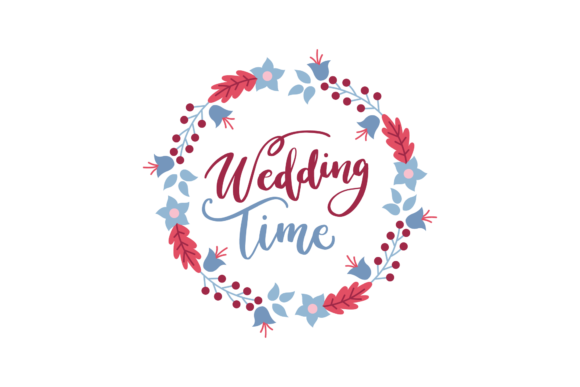
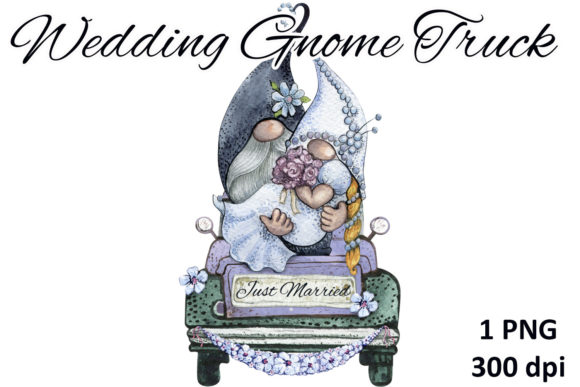
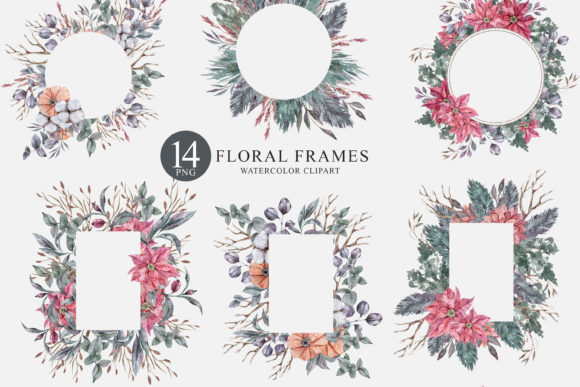
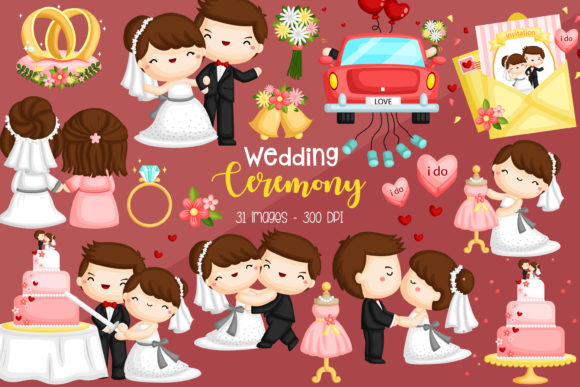
Many people think of clip art as simple, cartoonish images. However, a premium collection like this one, offering 31 high-resolution, transparent PNG files and an SVG, is a serious design asset. Think of it as a visual vocabulary for romance and celebration. Each element—from a subtle floral spray to a stylized cake topper—is crafted to communicate a specific theme. For a graphic designer or a small business owner in the wedding industry, having a cohesive set of these elements at your fingertips is about efficiency and brand consistency. You can apply the same floral motif across a client’s save-the-date cards, their wedding website, and their table numbers, creating a unified visual identity that feels intentional and professional.
The practical applications extend far beyond traditional wedding stationery. Let’s break down where these design elements can truly shine in your work:
- Digital Products & Marketing: Use them to create beautiful mockups for Etsy listings selling printable invitations. Incorporate them into social media graphics for wedding planners or bridal boutiques to announce sales or showcase new inventory. They can add a touch of elegance to blog headers for articles about wedding planning tips.
- Branding & Packaging: A bakery specializing in wedding cakes could use a delicate cake illustration on their packaging, menu, or logo. A jewelry designer might feature a pair of rings clipart in their branding materials to immediately signal their niche.
- Editorial & Web Design: Magazine layouts or blog posts about nuptials can use these elements as section dividers, pull-quote decorations, or featured image accents, enhancing reader engagement without overwhelming the text.
- Physical Merchandise & Decor: From custom stickers for party favors to designs for tote bags or signage at a bridal shower, these scalable images adapt beautifully to print.
Achieving Visual Harmony and Professional Polish
One of the greatest challenges in design is maintaining a consistent visual language, especially when working across multiple platforms. This is where a dedicated set of clipart proves its worth. By using elements from the same collection, you ensure that the line weights, artistic style, and level of detail are harmonious. This consistency is a cornerstone of strong brand recognition. When a customer sees the same stylized floral pattern on your Instagram post and then on the packaging of the product they ordered, it reinforces your brand’s identity and builds trust.
Furthermore, these assets contribute directly to a more professional presentation. A well-placed, high-quality illustration can elevate a simple design from good to great. It guides the viewer’s eye, adds depth to a layout, and can even improve readability by breaking up large blocks of text or providing visual resting points. For content creators and marketers, this means higher engagement. A social media graphic featuring an elegant wedding-related clipart is more likely to stop a scroll than a plain text announcement.
Integrating Clipart with Typography and Layout
The magic really happens when you pair these visual elements with the right typography. A bold, modern sans-serif font can create an interesting contrast with a delicate, hand-drawn floral wreath, giving a design a contemporary yet romantic feel. Conversely, a flowing script font paired with a simple, iconic clipart (like a champagne glass or a dove) can create a classic and timeless aesthetic. The key is to let the clipart complement the type, not compete with it. Consider the mood you’re setting: a whimsical, handwritten font calls for softer, more playful illustrations, while a sophisticated serif typeface pairs well with more detailed, elegant motifs.
When selecting your elements from a set like this, think about hierarchy and balance. You might use a larger, more complex illustration as a central focal point on an invitation, and then pull smaller, simpler elements (like a single leaf or a tiny heart) as repeating accents throughout the design or on related materials. The included SVG file is particularly valuable for designers who need to customize colors or scale elements without any loss of quality, offering complete creative control.
Practical Considerations for Your Creative Workflow
Before diving in, a few practical tips will help you get the most out of this kind of resource. Always check the licensing. This set specifies that the watermark will not be on the purchased images, which is standard, but ensure the license covers your intended use, whether it’s for personal projects or commercial client work. For print materials like posters or merchandise, the 300dpi resolution and 12-inch size are crucial—they provide the quality needed for sharp, professional prints.
Take the time to organize the files in your asset library. Tagging them by theme (florals, symbols, frames) will save you immense time on future projects. Don’t be afraid to layer, rotate, and recolor the elements (especially the SVG) to make them uniquely yours. A wedding cake topper could become a whimsical accent on a birthday card with a color change. Ultimately, a versatile clipart set is not just a collection of images; it’s a springboard for creativity, helping you deliver polished, emotionally resonant designs that capture the joy and elegance of life’s most cherished moments.